Because joy, I’ve learned, doesn’t usually show up in big, dramatic ways. It doesn’t announce itself. It doesn’t arrive perfectly packaged or scheduled weeks in advance. Most of the time, it’s quiet. And if you’re not paying attention, you miss it.
Many of my favorite memories have not come from big achievements or carefully planned events. They came from spontaneous, slightly ridiculous ideas, the kind that start with, “Let’s go” and very little planning. These moments are not because I love chaos or adrenaline, but because they feel free — they’re half-baked but full-hearted. They may not look impressive on paper, but they stay with you. A miles-long float down a river that only happened because someone spotted an inflatable raft at Target. A lunchtime thought that turned into a long hike. And just last Sunday, an evening of sledding down Drury hill with no higher purpose than “no school tomorrow.” These things aren’t planned days or weeks in advance and yet they create deeper friendships, shared stories and memories that outlast almost everything else.
In the middle of tough classes, sports, leadership roles and expectations, these moments of spontaneity and presence in the moment ground me. Sometimes they’re the only breath I get in a nonstop week. They break routine. They pull me out of my own head. They bring people together in a way that feels honest and real.
Joy doesn’t just happen. You have to make space for it, especially, when life feels too full.
I want to pause here and say something important. This isn’t a talk about being happy all the time. This isn’t about pretending life is easy or ignoring stress, pressure or anxiety. I know this talk could easily sound like sunshine and rainbows, but that’s not my experience.
There have been times when I’ve felt anxious, out of place or unsure of where I belonged. Times when I was surrounded by people and still felt disconnected. Times when I wondered whether everyone else had figured something out that I hadn’t.
What surprised me was what I found on the other side of that anxiety. It wasn’t constant happiness or confidence that magically appeared overnight. It was something smaller. I started finding belonging not through big accomplishments or labels, but through small moments of connection. Through shared experiences and by being present long enough to let relationships form naturally.
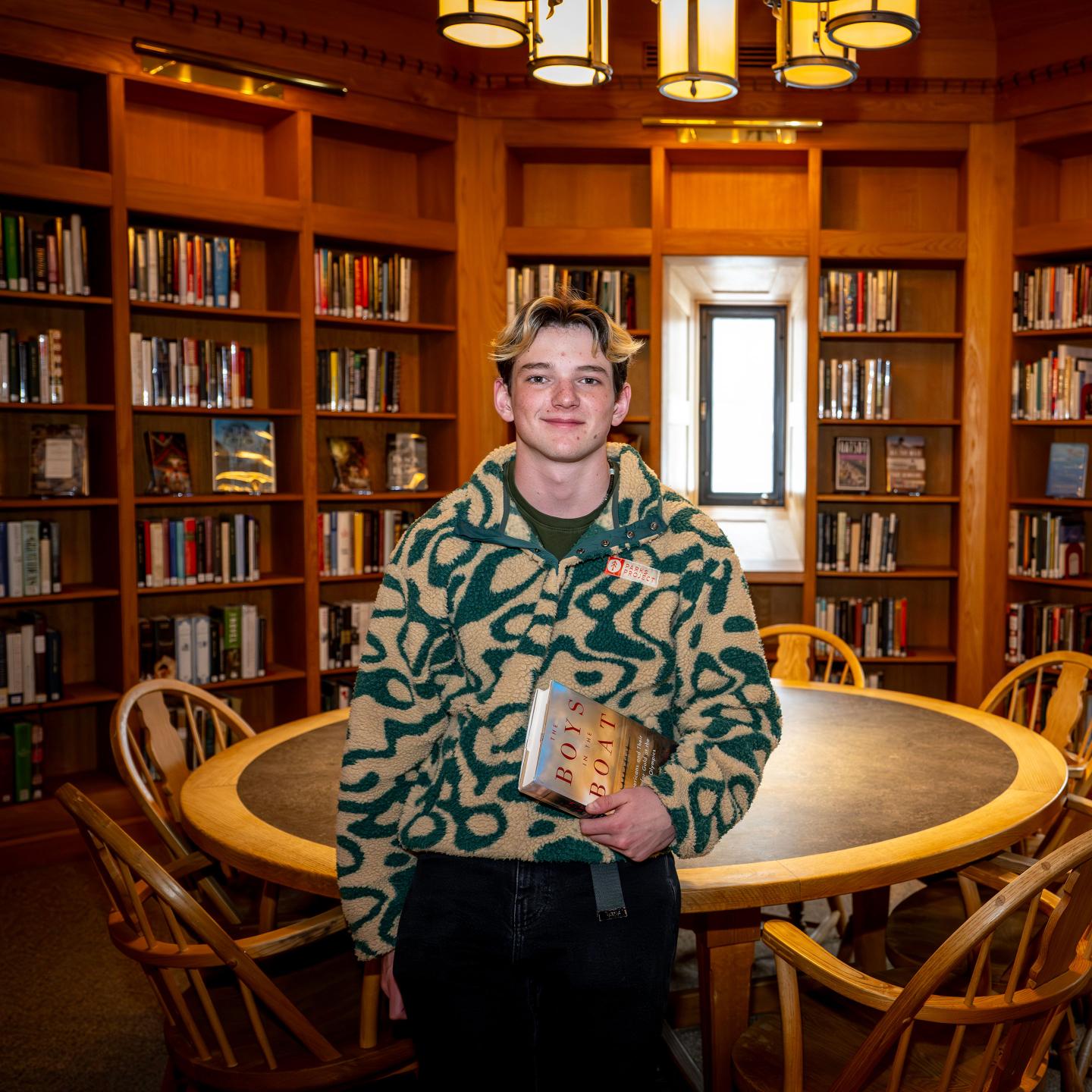
Reading helped me understand that, too. Books are full of characters who struggle, who feel uncertain, who don’t know exactly who they are becoming. They sit with discomfort. They grow slowly. They change in ways that aren’t always obvious in the moment. And through them, I learned that learning how to be and how to become takes time and patience.
That idea matters, especially in a place like St. Paul’s, where we’re busy, driven and often stretched thin. We all say we want connection. We want community. We want to feel like we belong. But those things don’t come from constant motion and constant distraction. They come from attention. They come from actually showing up. From being willing to stay in moments that are down to earth, uncomfortable and aren’t optimized for efficiency.
One of the gifts of having more time here is the chance to choose how we spend our attention. It’s tempting to fill every quiet moment, to stay busy, to distract ourselves when things feel uncomfortable. But what I’ve learned is that when you slow down enough to actually notice what’s happening around you, life opens up in unexpected ways. You notice people, you notice yourself, and you notice small joys that were there all along.
So, I’m not here to tell you to read more books, although I won’t argue against it. I’m here to suggest something simpler and harder: practice attention. Put yourself in situations where you can actually notice what’s happening. Let yourself be present without immediately reaching for distraction. Let yourself stay with moments that aren’t impressive or productive.
Because a joyful life isn’t built from huge, perfect moments. It’s built from noticing the small ones, the ones that don’t demand your attention but patiently wait for it. When you learn how to notice them, life starts to feel bigger, richer and more connected than you ever expected.